
How to Sell Property in Bali: The Complete Guide
Selling property in Bali isn’t just about finding a buyer — it’s about understanding the legal structure, marketing strategy, local real estate market, and cultural nuances that shape how real estate works here. Whether you’re a foreign investor or an Indonesian owner, a clear plan and the right professional support can make the process much smoother.
Why Sell Property in Bali?
Bali’s real estate market continues to attract international investors, digital nomads, and developers. The island’s mix of lifestyle appeal and steady tourism recovery has kept demand high for villas, land, and long-term rentals.
If you’re considering selling, now is a good time. You can benefit from:
- Rising demand for lifestyle and investment properties
- Strong ROI in prime areas such as Canggu, Seminyak, Ubud, Sanur, and Uluwatu
- More expatriates and remote workers seeking permanent bases
- Developers actively buying land for new projects
Work With a Trusted Real Estate Agent
Selling property in Bali involves more than just finding a buyer — it’s about managing legal documents, navigating cultural nuances, and reaching the right audience. While private sales are possible, working with an experienced Bali real estate agency ensures your property is marketed properly, priced correctly, and sold safely.
A professional agent does more than list your property. The right team will:
- Market your property across both local and international platforms
- Manage inquiries, viewings, and negotiations on your behalf
- Advise on the best pricing and presentation strategy for your location
- Coordinate directly with notaries, lawyers, and buyer representatives
- Screen potential buyers to ensure they are qualified and serious
- Provide full support from valuation to final handover
At Mata Property, we go further. Every listing includes a free valuation, professional marketing materials, and exposure to our international buyer network. We guide sellers through the entire process — from the first appraisal to signing at the notary — with transparency and clear communication.
Choose an agent with a strong online presence, bilingual communication, and a clear commission structure (typically around 5%). In Bali, the right representation makes all the difference between waiting months and closing confidently.
Contact Mata Property Bali for more information and list your property with us.
Steps for Selling Your Villa in Bali
Step 1: Understand Property Ownership in Bali
Before listing your property, make sure you know what kind of ownership you hold. Indonesia recognizes several property rights:
Freehold (Hak Milik) – Full ownership, available only to Indonesian citizens.
Leasehold (Hak Sewa) – The most common form for foreigners. Typically valid for 25–30 years and extendable through a notarial agreement.
Right to Use (Hak Pakai) – Allows foreigners or PT PMA companies to use land for residential purposes, with renewals possible up to 80 years.
If you’re a foreigner, you’re likely selling under a leasehold or Hak Pakai title. Learn more about the difference between leasehold and freehold certificate, and confirm your ownership type before marketing the property.
Step 2: Prepare and Verify Legal Documents
Accurate paperwork is essential. Missing or inconsistent documents can delay or cancel a sale. You’ll need:
- Land certificate (Sertifikat Hak Milik or Sertifikat Hak Sewa)
- Lease or ownership agreement
- Building permit (IMB or SLF)
- Proof of tax payment (PPh Final)
- Land zoning color
- Copy of passport or KTP

Work with a local notary (notaris) to verify all documents. They will ensure the sale complies with Indonesian law and help bridge any language or procedural gaps. That stage is usually done during the due diligence, but will help for quicker sale if done prior to the sale.
Step 3: Set a Realistic Price
Pricing your property correctly is one of the most important steps in achieving a smooth sale. In Bali, values can vary widely depending on location, zoning, and property condition. A fair, well-supported price builds trust and attracts serious buyers faster.
To determine the right figure, compare similar listings in your area and speak with a local agent who knows the market. For higher-value assets, a certified valuer can provide an independent report.
At Mata Property, we offer a free property valuation to help owners understand what their asset is truly worth. Our assessment is based on:
- Land size and location — including access, zoning, and proximity to main areas
- Years remaining on the leasehold agreement (if applicable)
- Building size and construction quality
- Pool, landscaping, and additional features
- Views, privacy, and surrounding noise levels
- Proven ROI
- Compare similar properties in your area.
Overpricing can make a listing sit too long as there are always thousands of properties available in Bali, while a fair price attracts serious buyers faster.
Step 4: Market Your Property Effectively
In Bali’s competitive real estate market, presentation and visibility make all the difference. A well-marketed villa doesn’t just sell faster — it sells for more.
Professional marketing gives buyers confidence and builds trust from the first impression. Every detail matters, from visuals to platform placement.
An effective marketing strategy should include:
- Professional photos and drone footage to capture your property’s full potential
- Short video tours or reels posted across major platforms — Facebook, Instagram, LinkedIn, YouTube, and TikTok
- Clear, bilingual descriptions written to appeal to both local and international buyers
- Listings on trusted portals like Rumah123, Lamudi, and leading agency websites
- Highlighting key selling points such as location, ROI, views, or rental performance
If your villa already generates income, include those numbers — investors respond to data-backed opportunities.
At Mata Property, we handle all of this for you — from content creation to advanced marketing strategy — at no extra cost under our exclusive listing agreement.
Step 5: Manage Showings and Negotiations
Your agent will organize property viewings, communicate with potential buyers, and handle initial discussions. Make sure the villa is clean, bright, and comfortable during visits — first impressions matter.
When an offer comes in, the next crucial step is drafting a Letter of Intent (LOI). A well-written LOI protects both parties, clarifies key terms such as price, deposit, and payment schedule, and prevents misunderstandings later. It should always be reviewed or prepared by a notary or qualified agent to ensure it’s legally valid and enforceable under Indonesian law.
Once both sides agree on the LOI, your agent and notary will guide you through the deposit and contract stages. Always ensure all payments are made transparently through notary escrow, never directly.

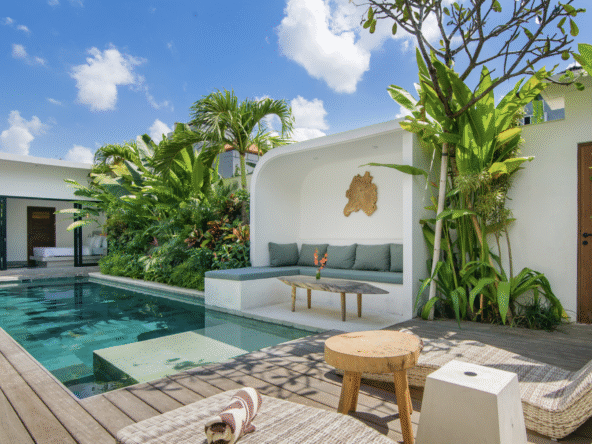
Photo: Freehold Villa in Ubud for Sale
Step 6: Finalize the Sale with a Notary
After terms are agreed, the notary oversees the final process, ensuring legality and compliance. They prepare the official sale documents, register the transfer, and release payments once everything is verified.
The notary acts as a neutral party between seller and buyer, managing the paperwork and confirming that all taxes, permits, and ownership details are correct. This step marks the official completion of your sale.
Step 7: Taxes and Fees When Selling
Sellers in Bali must cover a few key costs:
- Agency Commission – Typically 5%, included in asking price
- Leasehold Transfer Fees – 10%
- or Freehold Transfer Fees – 2.5% (+5% on Buyer side)
- Notary Fees – 1% (paid by seller, buyer, or shared)
Frequently Asked Questions
Can foreigners sell property in Bali?
Yes. Foreigners can sell property if it’s held legally under a leasehold (Hak Sewa) or Right to Use (Hak Pakai) title. They can also sell shares in a PT PMA (foreign-owned company) that holds real estate assets. All transfers are handled by a notary to ensure compliance with Indonesian law.
Do I need to be in Bali to sell?
No. With a notarized Power of Attorney (Surat Kuasa), your notary or appointed agent can legally represent you throughout the sale process. Many foreign owners complete their transactions remotely.
Can I sell my leasehold before it expires?
Yes. You can sell the remaining years on your lease, and the buyer will inherit that period under the same conditions. Make sure your lease agreement clearly outlines the renewal terms and transfer rights.
How long does it take to sell a property in Bali?
It depends on the location, price, and legal readiness of your documents. On average, a sale can take two weeks to three months. Delays usually happen when paperwork needs correction (missing permits, unclear access, or inconsistent land certificates).

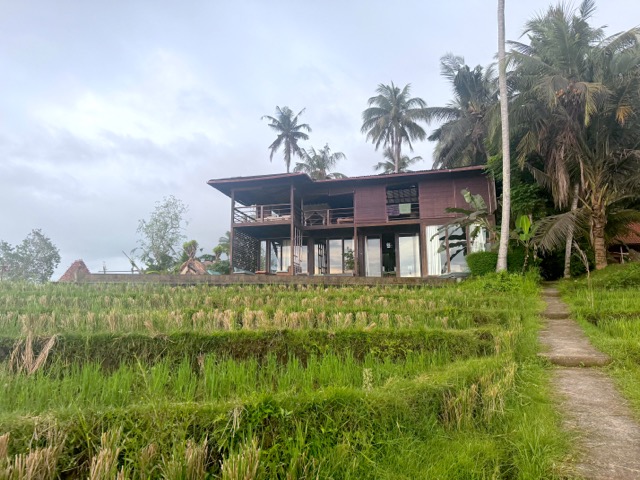
Photo: Villa for Sale in Ubud with Stunning Views
What’s the difference between an exclusive and open listing agreement?
An exclusive listing agreement means one agency represents your property – other agencies could potentially advertise it too and co-broke with your agent. This ensures focused marketing, professional media, and VIP handling — your property receives full attention and promotion across international platforms.
An open listing allows multiple agents to market the same property, but often results in inconsistent pricing, weak follow-up, and limited exposure.
At Mata Property, we handle everything — valuation, professional photography, marketing, and buyer screening — for free under our exclusive listing agreement.
Final Tips for a Smooth Sale
- Be realistic with pricing and timelines.
- Keep your paperwork complete, ready, and updated.
- Work only with licensed agents and notaries.
- Communicate clearly and stay involved at each stage.
Selling property in Bali can be both rewarding and profitable when handled professionally.
Ready to Sell Your Property?
If you’re planning to sell your villa, land, or leasehold property in Bali, Mata Property can help.
We combine verified legal due diligence, professional marketing, and access to qualified buyers across Indonesia and overseas.